
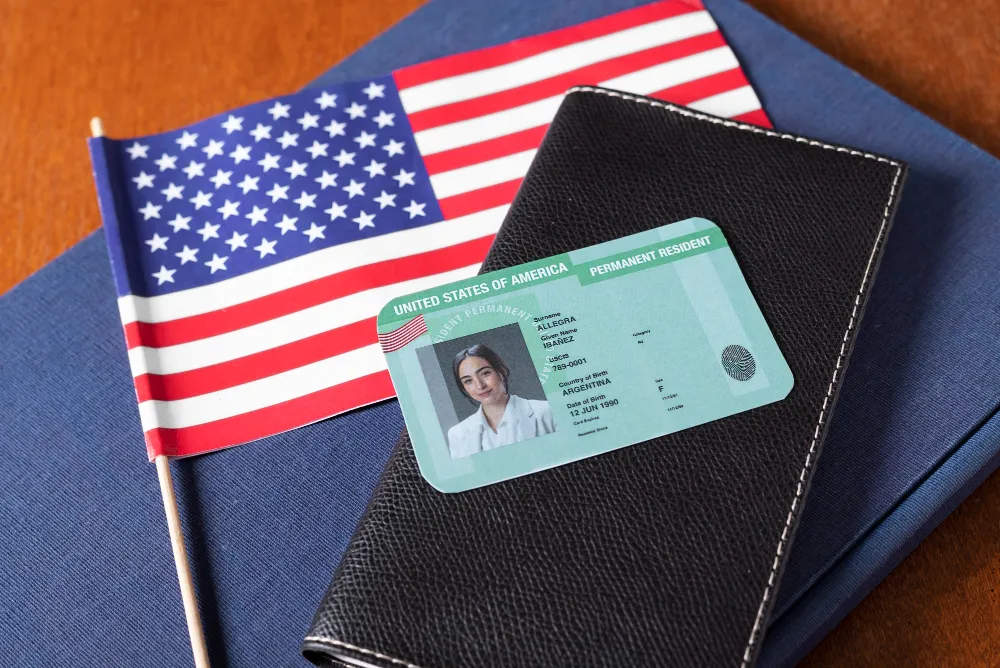
If your company sponsors, or plans to sponsor, a worker’s green card, or if you are that worker, this affects you. On November 17, 2026, the Department of Labor published a proposal in the Federal Register to change PERM, the first step for most employment-based green cards in the EB-2 and EB-3 categories. The Department itself calls it the first comprehensive reform of the program in nearly 20 years. It is not in effect yet, but it would change how recruitment works and how long it takes.
What is PERM?
Before an employer can sponsor most workers for a green card, it has to show the Department of Labor that it looked for U.S. workers for the job and did not find one who is available and qualified. First it gets the prevailing wage, then it recruits, and finally it files the labor certification application. Only then does the case move to USCIS on Form I-140.
What changed?
The proposal mainly changes four things:
- No more mandatory newspaper ads. Today, employers must run two Sunday newspaper ads. The proposal replaces them with electronic methods and with the same channels the employer already uses to hire.
- Longer recruitment. Ads would have to stay up for at least 90 days, or longer if the employer normally advertises its openings longer. All recruitment would have to end between 30 and 60 days before the application is filed.
- A stricter layoff rule. An employer that laid off U.S. workers in the same or a similar job, at the same place of employment, in the last 2 years could not request PERM. Today that period is 6 months, and the requirement is to consider those workers first.
- “Schedule A” would be eliminated. Today, for registered nurses and physical therapists, the employer skips recruitment and files directly with USCIS. Under the proposal, those cases would go through full PERM as well.
What would the new recruitment look like?
For every job, professional or not, the employer would have to:
- Place a job order with the state workforce agency where the job is located (in Texas, the Texas Workforce Commission).
- Post the job on the company’s website, in the same place it advertises its other openings.
- Post it on at least one job search website other than the company’s own.
- Post it on social media, if the company already uses social media to hire for that type of job.
- Advertise it through at least one job fair, on-campus recruiting event, or a college, university or trade school placement office.
In addition, the internal Notice of Filing for employees would have to begin within 10 business days before filing and stay available until USCIS approves the I-140.
What if my company lays people off after filing?
The proposal would require notice to the Department of Labor, and to USCIS if an I-140 is pending, no later than 5 business days after the layoff. The employer would also have to offer the job to qualified laid-off U.S. workers from the filing date until the I-140 is decided.
Is it in effect?
No. It is a proposal, and the current rules still apply. Anyone may submit comments until January 19, 2027. A final rule may follow, with or without changes. The proposal says the final rule would take effect 60 days after publication, with 30 more days for transition: applications filed before day 90 would follow the current rules, and applications filed on or after day 90 would follow the new ones.
Who does it affect?
Employers that sponsor green cards through PERM, and their workers, many of whom hold H-1B or TN status. The EB-2 National Interest Waiver (NIW) does not use PERM, so this proposal does not change it.
If you are on an H-1B, timing matters. H-1B status has a general 6-year limit. It can be extended beyond that in 1-year increments if the PERM or I-140 was filed at least 365 days earlier, or in 3-year increments if the I-140 is already approved and a visa number is not yet available. In our experience, the Department of Labor stage can already take close to 2 years in the worst case. With 90 days of advertising, the math gets tighter.
What we recommend
- If you are already recruiting, do not stop. Finish under the current rules and file on time.
- If you plan to start PERM in 2027, start planning now. Review which job sites, social media and job fairs your company uses to hire today.
- Review your layoffs from the last 2 years. Write down which positions were eliminated, where and when.
- If you are on an H-1B, do the math on your 6 years before you start, and leave room for delays or an audit.
- If you are a nurse or physical therapist and your employer uses Schedule A, talk about timing now.
Need help?
If your Texas company wants to sponsor a worker, or you are the worker and want to know how much time you have left, schedule a consultation with our San Antonio office. We review your case and tell you, with the worst-case scenario, what timelines and risks we see.
This article is general information and is not legal advice for your case. Fernanda Inegol, Barba Inegol Law Firm PLLC.
Sources: Federal Register: Modernizing the Labor Market Test and Improving Protections for U.S. Workers in the PERM Immigrant Visa Program, proposed rule, November 17, 2026, 91 FR 73916 · Department of Labor (OFLC), announcement of November 17, 2026 · USCIS: FAQs for individuals in H-1B status